Making the intellectual connection that you have a mind-body condition is one of the greatest understandings a human being with a chronic illness can arrive at. It's not just information. Once that knowledge is truly embedded, not just heard but believed, your subconscious gets the message, and your nervous system starts to relax. That's why the science matters here. Real buy-in doesn't come from being told to relax. It comes from understanding, at a level your body trusts, exactly why you're safe.
Chronic Fatigue Syndrome, fibromyalgia, IBS, chronic pain, migraines, and dozens of similar conditions are not signs of a broken body. They are the output of a nervous system that has learned, through real stress, real illness, or real trauma, to keep its danger alarm switched on long after the original threat has passed.
This is not simply a psychological explanation. It is a neurological and emotional one. The symptoms are physically real. The brain generates them, often as a way of keeping deeper emotions safely out of conscious awareness. The mechanism maintaining them is a stuck brain circuit, wired together with unprocessed feeling, and both are capable of change. Brain circuits are plastic. Emotions, once felt, can move. They can be rewired.
"TMS is a strategy of the brain to keep unpleasant thoughts and emotions from rising from the unconscious into the conscious mind. The brain, through established physiologic pathways, creates pain as a distraction. By focusing our attention on physical symptoms, we keep these painful thoughts and emotions repressed. This is a very effective strategy, as there is an absolute epidemic of mindbody disorders in our society."
— Dr. John E. Sarno, The Divided Mind: The Epidemic of Mindbody DisordersDr. Howard Schubiner, a physician and pioneer in mind-body medicine, developed two frameworks that work together: one to help you recognize whether your condition is neuroplastic, and one to help you recognize the everyday habits that keep it alive once it is.
Before beginning any retraining work, it's important to rule in the neuroplastic nature of your condition. These three key markers, collectively called the FIT Criteria, distinguish between structural damage and a hypersensitive neural circuit stuck in danger mode.
The symptom occurs in the complete absence of active structural damage or localized tissue destruction. Tests come back "normal." Scans show nothing. Yet you are suffering. This is the first hallmark of a nervous system condition, not a structural one.
The sensation behaves like a chameleon. It turns on and off unexpectedly, varies wildly based on environment, migrates from one area of the body to another, or disappears entirely on certain days. A true structural injury, like a fractured bone, cannot play hide-and-seek.
Flare-ups are explicitly linked to emotional currents, anticipation, life stressors, or changes in environment. The symptom gets worse when life gets harder, and often eases when you feel genuinely safe, distracted, or at peace. The nervous system is revealing itself.
In his Michigan State University course Reign of Pain, Dr. Schubiner describes six common reactions, what he calls the Six Fs, that each tell the brain the threat is still real, even when the body is safe. Recognizing them in yourself is the first step to interrupting the loop.
Dreading the next flare, and bracing for it before it even arrives.
Tracking every sensation so closely that the body never gets a break from being watched.
Growing angry or resentful at a body that won't cooperate, at doctors who can't explain it.
Pushing through, gritting your teeth, treating the symptom like something to defeat.
Endlessly researching, self-diagnosing, hunting for the one answer that will finally make sense of it.
Chasing the next protocol, supplement, or specialist, convinced the right fix is still out there.
Every one of these responses makes sense. They're what a person does when they're scared and want their life back. But to a brain that's stuck in danger mode, each one reads as more evidence that the threat is real, and the alarm should stay on.
One of the most common and painful questions from those with chronic illness is: "Why did this happen to me? My life seemed fine." The Threshold Model answers this directly. Symptoms rarely appear out of nowhere. They surface when an emotional and physical load, built up quietly over months or years, finally exceeds what the nervous system can hold.
Every individual has a unique stress threshold: a maximum volume of stimulation the system can process at one time. Emotional trauma, physical overwork, illness, and unrelenting mental pressure all add to this invisible load. Most people who develop chronic illness have been carrying far more than they, or anyone around them, realized.
When accumulated stress finally exceeds that threshold, the nervous system enters a state of severe dysregulation. At first it's a hyper-alert fight-or-flight response. If nothing changes, the system eventually drops into a deeper freeze: shutting down energy production, generating debilitating pain and other physical symptoms, inducing profound fatigue, and turning up the volume on every sensory input to force complete stillness. This isn't failure. It's protection. But protection that never turns off becomes its own crisis.
The single most important skill in recovery is learning how to respond to a flare-up. Panicking over a symptom, or obsessively tracking and analyzing it, sends the brain an immediate signal that the danger is real. Learning to observe a sensation with as little emotional charge as possible starves the loop of the fuel it needs to stay switched on.
The work of Dr. Bessel van der Kolk, Dr. Peter Levine, Dr. John Sarno, and Nicole Sachs, LCSW, converges on one central truth: unprocessed emotional experience does not disappear. It is stored in the tissues, the fascia, the nervous system, and it expresses itself as physical symptoms until it is finally allowed to move.
When a threat hits and the body cannot complete its natural discharge, through shaking, trembling, or crying, that energy remains locked in the tissues like a compressed spring. It broadcasts a continuous signal of danger to the brain, maintaining the symptom cycle long after the original event has passed. (Dr. Peter Levine, Somatic Experiencing)
Chronic people-pleasers, high achievers, and deeply sensitive individuals often spend decades suppressing authentic boundaries, grief, and anger to preserve relationships and a sense of safety. This creates a cumulative energetic burden. When it finally overflows, the body, not the mind, is where it lands. (Dr. John Sarno, TMS framework)
Decades of unspoken anger, invalidation, grief, and fear don't just evaporate because you decided not to deal with them. They get stored, and stored emotion is not inert. It presses outward until the body finds a way to express what the mind wouldn't. Real release involves digging deep into your own psyche and emotional body.
This work does not exist in isolation. It draws on decades of clinical research, peer-reviewed neuroscience, and the lived experience of thousands of recoveries. We can only cover so much here in writing, so each voice below includes a talk or interview to help you go deeper on your own.

Researcher and speaker known for documenting spontaneous healing at his retreats; blends neuroscience and epigenetics with the mystical, showing how belief and state can physically change the body.
WatchAwakening the Soul — The Story of Dr. Joe Dispenza
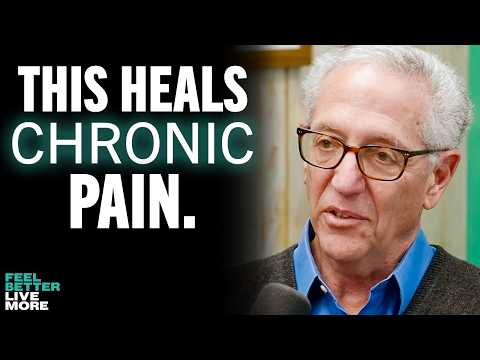
Developer of the FIT criteria and co-developer of Pain Reprocessing Therapy (PRT), founded by Alan Gordon. Published clinical trials demonstrating full recovery from chronic back pain through neural retraining.
WatchThe Real Reason Pain, Fatigue & Anxiety Won't Go Away

Developer of JournalSpeak, a structured emotional-release journaling practice for clearing the emotional reservoir that drives physical symptoms.
WatchHow to Heal Your Chronic Pain (playlist)
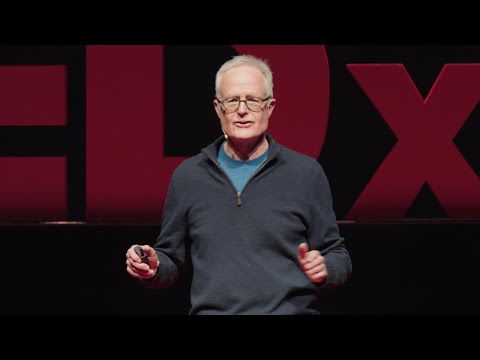
Board-certified internist and hospitalist who, after years of conventional practice, began researching the neuroscience behind chronic pain and anxiety. Founder of the Boulder Center for Mind Body Medicine, where he teaches patients how to change the brain's learned pain response.
WatchChronic Pain and Anxiety: Why Doctors Get It Wrong & How to Hack Your Brain — TEDxCU
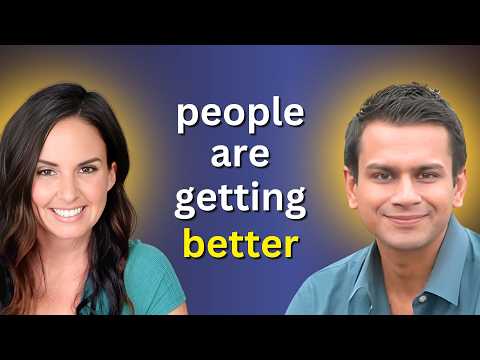
Creator of the neuroplasticity-based Gupta Program, used by thousands recovering from CFS/ME, fibromyalgia, and long covid by retraining the brain's threat response.
WatchWhat Actually Helps People Recover from ME/CFS & long covid

Professor of clinical rehabilitation medicine at NYU School of Medicine and longtime attending physician at the Rusk Institute. Pioneer of TMS (Tension Myositis Syndrome), the foundational framework linking repressed emotion to chronic physical pain and illness, developed over decades of treating patients whose pain didn't match their structural findings.
WatchThe Disease of Being Human — TEDxCatawba

Host of a leading ME/CFS and chronic illness recovery channel, interviewing both practitioners and everyday people who have actually recovered.
WatchA Doctor's Recovery Blueprint for ME/CFS, long covid and Chronic Pain (Dr. David Schechter, MD)
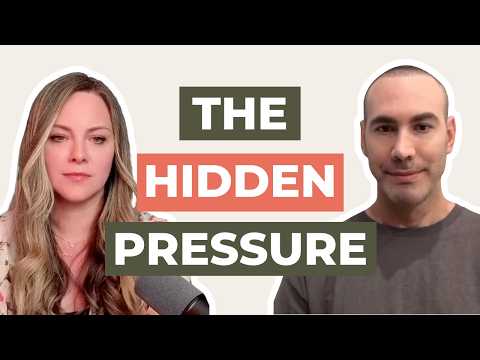
Director of the Pain Psychology Center and author of The Way Out. His clinical research on Pain Reprocessing Therapy has shown high recovery rates for chronic back pain.
WatchThe Most Overlooked Thing Keeping Chronic Pain, Anxiety & Symptoms Going
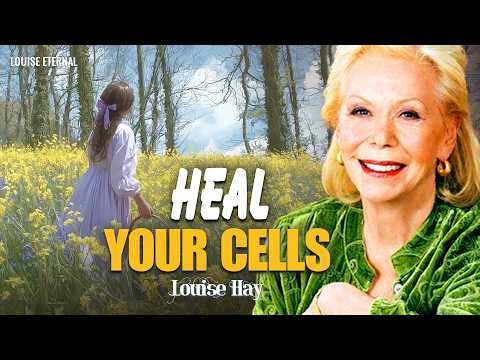
Author and founder of Hay House; a pioneer in connecting emotional and thought patterns to physical illness, and in using affirmations as a tool for healing.
WatchEvery Cell in My Body Is Filled with Healing Energy and Peaceful LightChronic fatigue, fibromyalgia, and chronic pain are the most common, but nervous-system-driven conditions show up in many other forms too, from IBS and migraines to POTS and tinnitus.
Browse the Extended ListUnderstanding the science is the first step. The Self-Healing Course walks you through exactly how to apply it: gently, systematically, and at your own pace.